Materials
we work with
-
High strength
-
Excellent machinability
-
Good dimensional stability
-
Corrosion resistance
-
Heat resistance
- High strength
- Excellent machinability
- Good dimensional stability
- Corrosion resistance
- Heat resistance
Common materials used for CNC services
CNC services involve the use of computer-controlled machines to manufacture parts and components from a variety of materials. The materials used for CNC services can range from metals to plastics, and each material has its own unique properties that make it suitable for certain applications.
- Stainless Steel
- Mild Steel
- Aluminium Alloys
- Brass
- Titanium
- Copper
- Bronze
- Nickel Silver
- Hastelloy
- Inconel
- Composites & engineering plastics
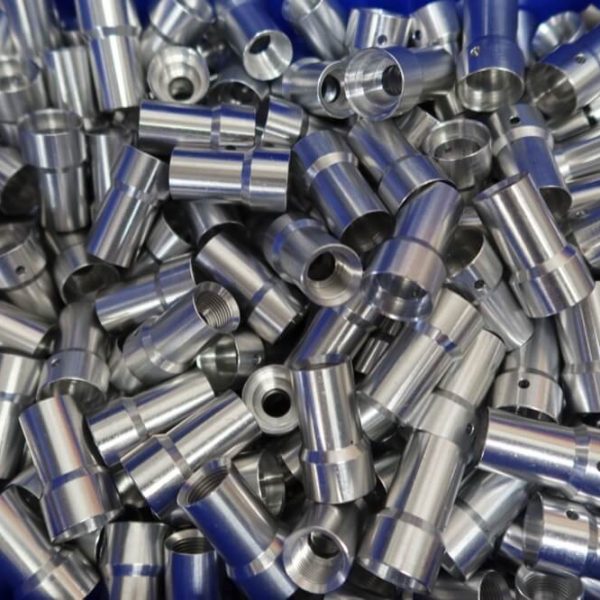
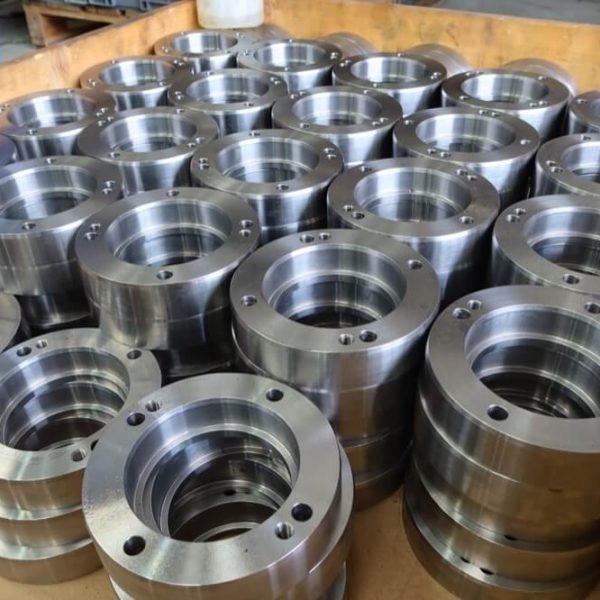


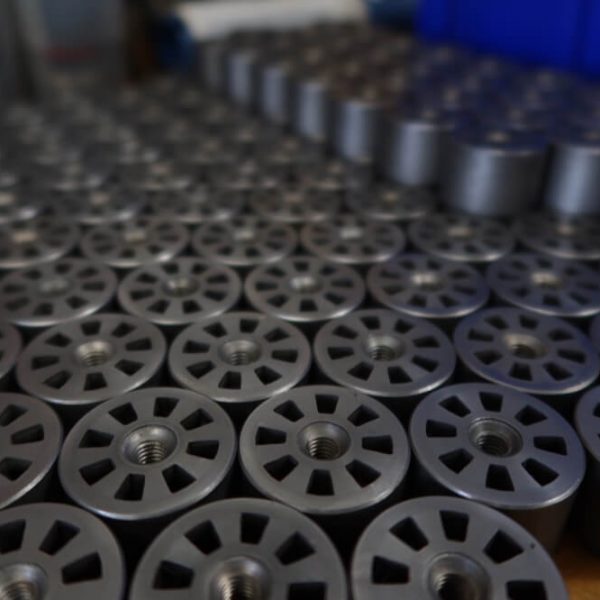
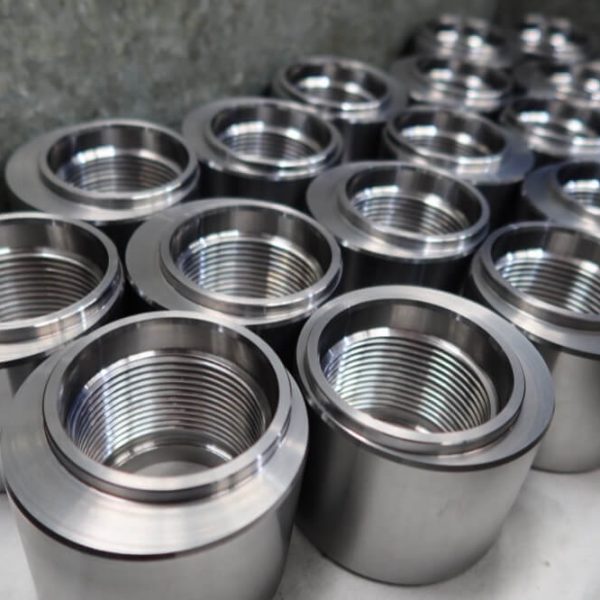
Our CNC Services include
Axis CNC Machining
Precision machining process using a computer-controlled machine with five axes of movement to produce complex parts and components.
Sliding Head Turned Parts
High-precision turning process using a sliding head lathe machine to produce small, intricate components with tight tolerances.
CNC Milling & Turning
Versatile manufacturing process that combines milling and turning capabilities to produce complex parts from a variety of materials.
CNC Metal
Folding
Precision metal folding process using a computer-controlled press brake to bend and shape sheet metal into specific forms and angles.
Assembly & Finishing
Final stages of the manufacturing process that involves ensuring the final product meets customer specifications.
About Suitable Materials for CNC Engineering:

The materials used in CNC services depend on the specific requirements of the application. Whether it’s metals, plastics, wood, composites, or ceramics, each material has its own unique properties that make it suitable for certain applications. It’s important to choose the right material for your project to ensure that the final product meets your requirements in terms of strength, durability, and aesthetic appeal.
Here are some common materials used for CNC services:
Metals – Metals such as aluminum, brass, steel, and titanium are widely used in CNC services due to their strength, durability, and ability to withstand high temperatures. These materials are often used in industries such as aerospace, automotive, and defense.
Plastics – Plastics such as PVC, ABS, acrylic, and polycarbonate are popular in CNC services because they are lightweight, easy to machine, and have good chemical resistance. These materials are commonly used in the manufacture of electronic components, medical devices, and consumer products.
Wood – Wood is a natural material that is widely used in CNC services for its aesthetic appeal and versatility. It can be used to create furniture, decorative items, and architectural features, among other things.
Composites – Composites are materials made up of two or more components, such as carbon fiber reinforced plastic (CFRP) and glass fiber reinforced plastic (GFRP). These materials are used in CNC services due to their high strength-to-weight ratio, making them ideal for applications such as aerospace, automotive, and marine industries.
Ceramics – Ceramics are materials that are often used in CNC services due to their high strength, thermal stability, and resistance to wear and corrosion. They are commonly used in the manufacture of electronic components, cutting tools, and biomedical implants.
The materials suitable for CNC engineering typically have the following characteristics:
High strength: CNC engineering often involves the manufacture of parts and components that need to withstand high loads and stresses. Therefore, the materials used for CNC engineering should have high strength and stiffness.
Excellent machinability: The materials used for CNC engineering should be easy to machine and shape using CNC machines. This is important to ensure that the parts and components can be accurately and efficiently manufactured.
Good dimensional stability: The materials used for CNC engineering should be able to maintain their shape and dimensions even when exposed to changes in temperature, humidity, and other environmental factors. This is important to ensure that the parts and components meet the required tolerances and specifications.
Corrosion resistance: Depending on the application, the materials used for CNC engineering may need to resist corrosion, rust, or other forms of chemical attack. This is especially important in industries such as aerospace, automotive, and marine where parts and components are exposed to harsh environments.
Heat resistance: CNC engineering often involves the manufacture of parts and components that need to withstand high temperatures. Therefore, the materials used for CNC engineering should have good thermal stability and resistance to heat.
Hastelloy is a family of corrosion-resistant alloys that are designed to withstand extreme environments, including high temperatures, pressure, and chemical exposure. These alloys are composed of nickel, molybdenum, and chromium, with additional elements such as iron, tungsten, and cobalt added to enhance their properties.
Hastelloy alloys are known for their excellent resistance to corrosion, pitting, and cracking, even in harsh environments where other metals would quickly degrade. They are commonly used in applications where high strength and resistance to corrosion are critical, such as in chemical processing, nuclear power, and aerospace industries.
There are several types of Hastelloy alloys, each designed for specific applications. For example, Hastelloy C-276 is widely used in chemical processing and pollution control applications, while Hastelloy X is commonly used in gas turbine engines and other high-temperature applications.
Inconel is a family of nickel-based superalloys that are known for their exceptional resistance to high temperatures, corrosion, and oxidation. These alloys are composed of nickel, chromium, and iron, with additional elements such as molybdenum, titanium, and aluminum added to enhance their properties.
Inconel alloys are widely used in a range of high-temperature applications, including gas turbine engines, chemical processing, and nuclear power plants. They are also used in aerospace and marine industries due to their excellent resistance to corrosion and fatigue.
Engineering plastics are a category of high-performance plastic materials that are specifically designed to meet the demanding requirements of engineering applications. These materials possess superior mechanical, thermal, and chemical properties, making them ideal for use in a wide range of industries, including automotive, aerospace, electronics, and medical devices.
Engineering plastics are characterized by their high strength, stiffness, and toughness, as well as their resistance to wear, impact, and abrasion. They also have good dimensional stability and can withstand exposure to high temperatures and harsh chemical environments.
Some common types of engineering plastics include:
Acetal (Polyoxymethylene, POM), Nylon (Polyamide, PA), Polycarbonate (PC), Acrylic (Polymethyl methacrylate, PMMA), Polyethylene (PE), Polypropylene (PP)
Composites are materials composed of two or more constituent materials that have different physical or chemical properties. They are widely used in CNC engineering due to their unique combination of properties, such as high strength-to-weight ratio, durability, and corrosion resistance. Here are some common types of composites used in CNC engineering:
Carbon fiber reinforced polymer (CFRP), Glass fiber reinforced polymer (GFRP), Aramid fiber reinforced polymer (AFRP), Metal matrix composites (MMC), Ceramic matrix composites (CMC)