Precision machining is a manufacturing process that involves the use of computer-controlled machines to create highly accurate and intricate parts and components. It is a critical aspect of modern manufacturing, as it allows for the production of complex and precise parts that are essential in various industries such as aerospace, automotive, medical, and electronics. Precision machining plays a vital role in ensuring the quality and reliability of products, as well as improving efficiency and reducing costs.
Benefits of Precision Machining in Manufacturing
One of the key benefits of precision machining in manufacturing is improved accuracy and consistency. With the use of advanced computer-controlled machines, manufacturers can achieve extremely tight tolerances and produce parts with consistent dimensions. This level of precision is crucial in industries where even the smallest deviation can have significant consequences, such as aerospace and medical.
Another advantage of precision machining is enhanced quality control. The use of computer-controlled machines allows for real-time monitoring and measurement of parts during the manufacturing process. This enables manufacturers to identify any defects or deviations early on and make necessary adjustments to ensure that the final product meets the required specifications.
Precision machining also leads to increased efficiency and productivity. The automation and precision offered by these machines allow for faster production times and reduced cycle times. This means that manufacturers can produce more parts in less time, resulting in higher productivity levels.
Furthermore, precision machining helps reduce waste and costs. By producing parts with high accuracy and consistency, manufacturers can minimise material waste and avoid costly rework or scrap. Additionally, the automation and efficiency provided by precision machining solutions help reduce labor costs and improve overall cost-effectiveness.
How Precision Machining is Revolutionising Manufacturing Processes
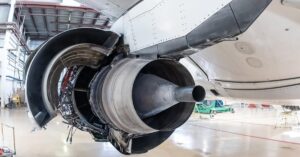
Precision machining has revolutionised manufacturing processes across various industries. In aerospace, for example, precision machining is used to create complex components such as turbine blades, engine parts, and structural components. These parts require high accuracy and tight tolerances to ensure optimal performance and safety. Precision machining allows for the production of these parts with the required precision and consistency, leading to improved aircraft performance and reliability.
In the medical industry, precision machining is used to manufacture medical devices and implants. These devices often require intricate designs and precise dimensions to ensure proper functionality and compatibility with the human body. Precision machining enables the production of these devices with high accuracy, ensuring that they meet the strict quality standards of the medical industry.
Precision machining also has a significant impact on the automotive industry. It is used to manufacture engine components, transmission parts, and other critical components that require high precision and durability. The use of precision machining in automotive manufacturing has led to improved vehicle performance, fuel efficiency, and overall reliability.
The future potential for precision machining is vast. As technology continues to advance, precision machining solutions are becoming more sophisticated and capable of producing even more complex parts. With the integration of artificial intelligence and machine learning, precision machining processes can become more efficient and adaptive, further enhancing their capabilities and potential applications.
Advancements in Precision Machining Technologies
There have been significant advancements in precision machining technologies in recent years. One notable advancement is the use of multi-axis machines, which allow for simultaneous machining on multiple sides of a part. This eliminates the need for multiple setups and reduces production time.
Another advancement is the use of additive manufacturing in precision machining. Additive manufacturing, also known as 3D printing, allows for the creation of complex geometries that would be difficult or impossible to achieve using traditional machining methods. This technology has opened up new possibilities in industries such as aerospace, where lightweight and intricate designs are crucial.
Furthermore, advancements in software and control systems have improved the accuracy and efficiency of precision machining processes. Computer-aided design (CAD) software allows for precise modelling and simulation of parts before they are manufactured, reducing errors and optimising production processes. Additionally, advanced control systems enable real-time monitoring and adjustment of machining parameters, ensuring consistent quality and performance.
The benefits of using advanced precision machining technologies are numerous. These technologies enable manufacturers to produce parts with higher accuracy, faster production times, and reduced costs. They also open up new possibilities for design and innovation, allowing for the creation of more complex and efficient products.
The Role of Automation in Precision Machining
Automation plays a crucial role in precision machining. It involves the use of computer-controlled machines and robotic systems to perform various tasks in the manufacturing process. Automation offers several benefits in precision machining, including increased productivity, improved accuracy, and reduced labor costs.
By automating repetitive tasks, manufacturers can significantly increase productivity. Computer-controlled machines can operate 24/7 without the need for breaks or rest, leading to continuous production and faster turnaround times. This allows manufacturers to meet tight deadlines and customer demands more efficiently.
Automation also improves accuracy and consistency in precision machining. Computer-controlled machines can perform tasks with high precision and repeatability, ensuring that each part is produced to the exact specifications. This eliminates human error and reduces the risk of defects or deviations.
Furthermore, automation helps reduce labor costs in precision machining. By replacing manual labor with automated systems, manufacturers can reduce the number of workers required and eliminate the risk of human error. This leads to cost savings and improved cost-effectiveness in the manufacturing process.
There are various examples of automated precision machining solutions. One example is the use of robotic arms to load and unload parts from machines. These robotic systems can handle heavy or delicate parts with precision and speed, reducing the risk of damage or injury.
Another example is the use of automated inspection systems to check the quality of parts during the manufacturing process. These systems use advanced sensors and cameras to detect any defects or deviations and make real-time adjustments if necessary. This ensures that only high-quality parts are produced, reducing waste and rework.
Precision Machining for Complex Parts and Components
Precision machining is particularly well-suited for the manufacturing of complex parts and components. Complex parts often have intricate designs and require high precision to ensure proper functionality and performance. Precision machining allows for the production of these parts with the required accuracy and consistency.
Manufacturing complex parts presents several challenges. These parts often have tight tolerances and require multiple machining operations to achieve the desired shape and dimensions. Traditional machining methods may not be able to achieve the required precision or may be time-consuming and costly.
Precision machining overcomes these challenges by using advanced computer-controlled machines that can perform multiple operations in a single setup. These machines can rotate, tilt, and move in multiple axes, allowing for complex machining operations to be performed with high accuracy.
The benefits of using precision machining for complex parts are significant. It enables manufacturers to produce parts with intricate designs and tight tolerances, ensuring optimal functionality and performance. Additionally, precision machining reduces the need for multiple setups and manual interventions, leading to faster production times and reduced costs.
Precision Machining for High-Volume Production
Precision machining is also well-suited for high-volume production. High-volume production involves the manufacturing of large quantities of parts or components within a short period. Precision machining offers several advantages in high-volume production, including increased efficiency, reduced cycle times, and improved cost-effectiveness.
Traditional machining methods may not be able to meet the demands of high-volume production due to their slower production times and limited automation capabilities. Precision machining, on the other hand, allows for faster production times and continuous operation, enabling manufacturers to meet tight deadlines and customer demands more efficiently.
Precision machining also reduces cycle times in high-volume production. The use of advanced computer-controlled machines enables simultaneous machining on multiple sides of a part, reducing the need for multiple setups and manual interventions. This leads to faster turnaround times and increased productivity.
Furthermore, precision machining improves cost-effectiveness in high-volume production. By reducing cycle times and increasing productivity, manufacturers can produce more parts in less time, resulting in lower production costs. Additionally, precision machining reduces the risk of defects or deviations, minimizing the need for rework or scrap and further reducing costs.
Precision Machining for Cost-Effective Manufacturing
Precision machining plays a crucial role in cost-effective manufacturing. Cost-effective manufacturing involves the production of high-quality products at the lowest possible cost. Precision machining offers several benefits in cost-effective manufacturing, including reduced waste, improved efficiency, and increased productivity.
One of the challenges of cost-effective manufacturing is minimising waste. Precision machining helps reduce waste by producing parts with high accuracy and consistency. This minimises material waste and avoids costly rework or scrap. Additionally, precision machining allows for the optimisation of cutting parameters and tooling, further reducing waste and improving cost-effectiveness.
Precision machining also improves efficiency in cost-effective manufacturing. The use of advanced computer-controlled machines enables faster production times and reduced cycle times, leading to increased efficiency and productivity. This allows manufacturers to produce more parts in less time, resulting in higher output levels and improved cost-effectiveness.
Furthermore, precision machining reduces labor costs in cost-effective manufacturing. By automating repetitive tasks and replacing manual labor with computer-controlled machines, manufacturers can reduce the number of workers required and eliminate the risk of human error. This leads to significant cost savings and improved overall cost-effectiveness.
Precision Machining for Sustainable Manufacturing
Precision machining also plays a crucial role in sustainable manufacturing. Sustainable manufacturing involves the production of products with minimal environmental impact and resource consumption. Precision machining offers several benefits in sustainable manufacturing, including reduced material waste, energy efficiency, and improved resource utilisation.
One of the challenges of sustainable manufacturing is minimising material waste. Precision machining helps reduce material waste by producing parts with high accuracy and consistency. This minimizes the need for rework or scrap and ensures that each part is produced to the required specifications. Additionally, precision machining allows for the optimisation of cutting parameters and tooling, further reducing material waste.
Precision machining also contributes to energy efficiency in sustainable manufacturing. The use of advanced computer-controlled machines enables the optimisation of cutting parameters and tooling, reducing energy consumption during the machining process. Additionally, precision machining allows for the use of lightweight materials and designs, further reducing energy requirements in the manufacturing process.
Furthermore, precision machining improves resource utilisation in sustainable manufacturing. By producing parts with high accuracy and consistency, manufacturers can optimise material usage and reduce the need for additional resources. This leads to improved resource efficiency and reduced environmental impact.
The Future of Precision Machining in Manufacturing
The future of precision machining in manufacturing is promising. As technology continues to advance, precision machining solutions are becoming more sophisticated and capable of producing even more complex parts. There are several future trends and potential applications for precision machining.
One future trend is the integration of artificial intelligence (AI) and machine learning (ML) in precision machining processes. AI and ML algorithms can analyse large amounts of data and make real-time adjustments to machining parameters, optimising production processes and improving overall efficiency. This can lead to faster production times, reduced costs, and improved quality control.
Another future trend is the use of nanotechnology in precision machining. Nanotechnology involves the manipulation of matter at the atomic or molecular scale. Precision machining combined with nanotechnology can enable the production of parts with even higher accuracy and smaller dimensions. This opens up new possibilities in industries such as electronics and medical, where miniaturisation is crucial.
Furthermore, precision machining has the potential to revolutionise industries such as renewable energy and space exploration. The production of complex components for wind turbines, solar panels, and space vehicles requires high accuracy and tight tolerances. Precision machining can enable the manufacturing of these components with the required precision and consistency, leading to improved performance and reliability.
Precision machining is a critical aspect of modern manufacturing. It offers numerous benefits, including improved accuracy and consistency, enhanced quality control, increased efficiency and productivity, and reduced waste and costs. Precision machining is revolutionising manufacturing processes across various industries, enabling the production of complex and precise parts.
Advancements in precision machining technologies, such as multi-axis machines and additive manufacturing, have further improved the capabilities and potential applications of precision machining. Automation plays a crucial role in precision machining, offering increased productivity, improved accuracy, and reduced labor costs.
Precision machining is particularly well-suited for the manufacturing of complex parts and components, high-volume production, cost-effective manufacturing, and sustainable manufacturing. The future of precision machining in manufacturing is promising, with potential for new applications and innovations. Precision machining will continue to play a vital role in the manufacturing industry, ensuring the quality and reliability of products and driving growth and innovation.
If you’re interested in learning more about Precision Machining Solutions, you should check out this article: 5-Axis CNC Machining. It provides valuable insights into the benefits and applications of this advanced machining technique. Whether you’re looking to improve efficiency, accuracy, or expand your manufacturing capabilities, 5-axis CNC machining can be a game-changer for your business.